


A replacement battery pack for an electric car can cost as much as the vehicle itself on the second-hand market. That single fact reshapes the way motor insurance works for EVs, because the battery is not just a component, it is the financial centre of the car. Standard comprehensive policies now cover battery damage from collisions, fire and theft, yet what happens after an incident depends on whether anyone can actually diagnose and repair the pack.
When a repairable EV gets written off: the diagnostic gap
Picture a three-year-old EV involved in a moderate side impact. The bodywork damage is fixable. The battery casing shows a scuff but no obvious breach. In a petrol car, the repair centre would strip the panels, order parts and get on with the job.
Further reading: Landlord insurance: cover for rental properties in England
With an EV, the process stalls at a different point. The insurer needs confirmation that the battery cells are undamaged, and that confirmation requires specialist diagnostic equipment. Thatcham Research’s July 2023 report, funded by Innovate UK, flagged exactly this problem: a shortage of affordable post-accident battery diagnostics means some vehicles are deemed irreparable prematurely, not because they cannot be fixed, but because no one can prove the pack is safe.
Two factors compound this. First, not every manufacturer gives independent repairers full access to battery management system data. Second, some damaged EVs require outdoor quarantine storage while claims are assessed, because a compromised lithium-ion pack carries a fire risk. Those storage and handling costs add to the total claim, sometimes tipping a borderline case into write-off territory.
See also: Home insurance and flood risk: cover for UK households
Parts availability plays a role too. If the specific battery module needed is on a six-month backorder, the insurer faces a choice: pay for extended storage and a courtesy car, or settle the claim as a total loss. The economics often favour the write-off, even when the vehicle is structurally sound.
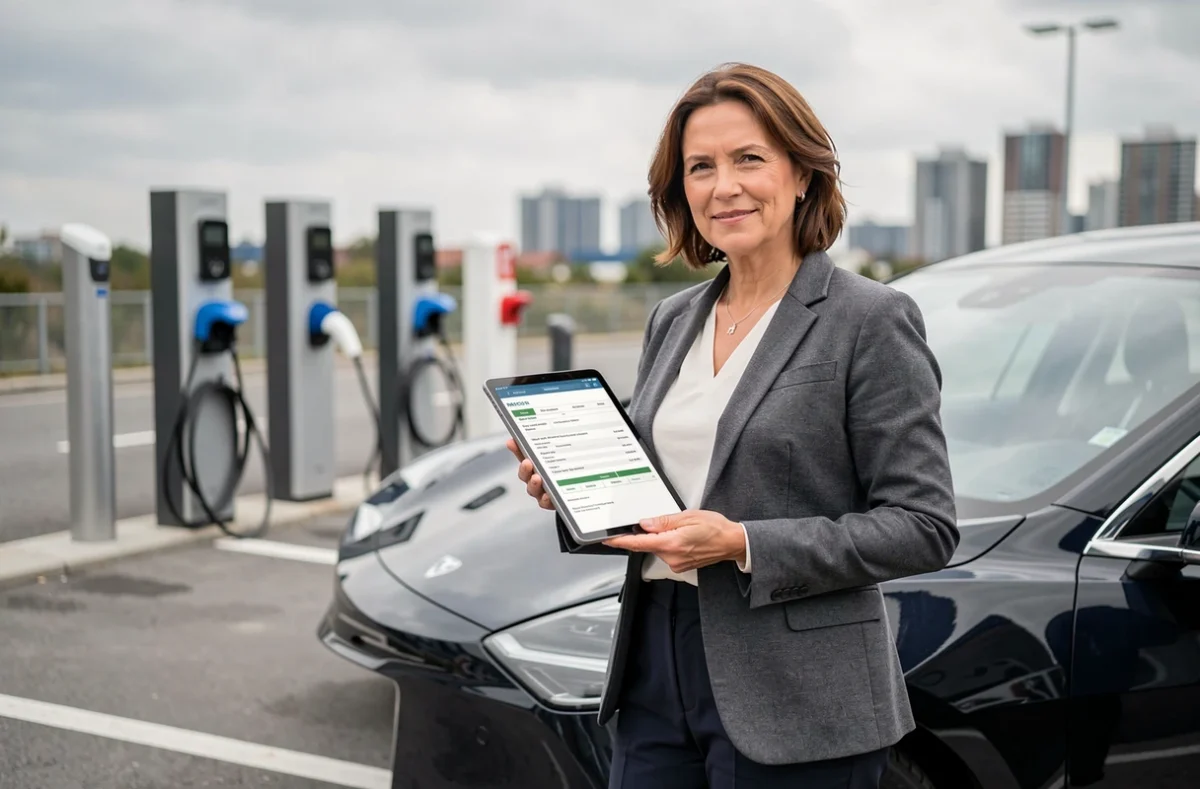
Battery cover on a standard EV insurance policy
Most UK insurers no longer require a separate “EV policy.” Comprehensive motor insurance from providers such as Aviva, Admiral and NFU Mutual includes battery-specific cover as standard. Have you checked what yours actually includes? The details vary more than you might expect.
A typical comprehensive policy covers:
- Accidental damage to the battery pack from a collision or impact, including undercarriage strikes from road debris
- Fire and theft of the battery, whether it is owned outright or leased from the manufacturer
- Damage to charging cables, wallbox chargers and associated equipment while at your property or connected to the vehicle
- Out-of-charge recovery if your EV runs flat on the road (fully electric models only, not mild hybrids on most policies)
Leased batteries need a careful policy check. If the manufacturer retains ownership of the pack, your insurer covers the car, but liability for the battery may sit with the leasing agreement. Confirm which party is responsible before you need to claim.
EV repair costs and what drives insurance premiums higher
Repairing an electric car after even a low-speed collision tends to cost more than repairing a comparable petrol model. The reasons are practical rather than exotic.
Battery packs sit in the floor of most EVs. A pothole strike or a kerb impact that would leave a petrol car with a scratched sill can potentially damage the battery enclosure. Because the pack is structural, assessing that damage requires removing interior trim, lifting the vehicle on a specialist rig and sometimes disconnecting high-voltage systems, all before anyone knows whether a repair is needed at all.
Qualified EV technicians remain in short supply across the UK. Workshops need IMI Level 3 or Level 4 accreditation to work on high-voltage systems, and not every approved repairer in an insurer’s network holds those qualifications. Longer wait times for a qualified workshop feed directly into higher claims costs through extended courtesy car hire and storage fees.
The good news is that the picture appears to be shifting. As more repairers gain EV experience and tooling, some parts of the industry are reporting shorter repair cycles. Treat that as a direction of travel rather than a guarantee for every model and every insurer.
Factors that push your premium up or down
EV insurance premiums respond to the same broad factors as any motor policy, with a few additions:
- The insurance group rating of your specific model, which reflects replacement parts costs, repair complexity and theft risk
- Battery capacity and replacement value, since a larger pack means a larger potential claim
- Your postcode, annual mileage and driving record
- Whether you charge at home with a wallbox (seen as lower risk) or rely solely on public chargers
- Availability of manufacturer-approved repairers in your area
Choosing an EV in a lower insurance group is one of the most direct ways to reduce your premium. Smaller-battery city cars tend to sit in lower groups than long-range performance models, partly because the maximum possible battery claim is smaller.
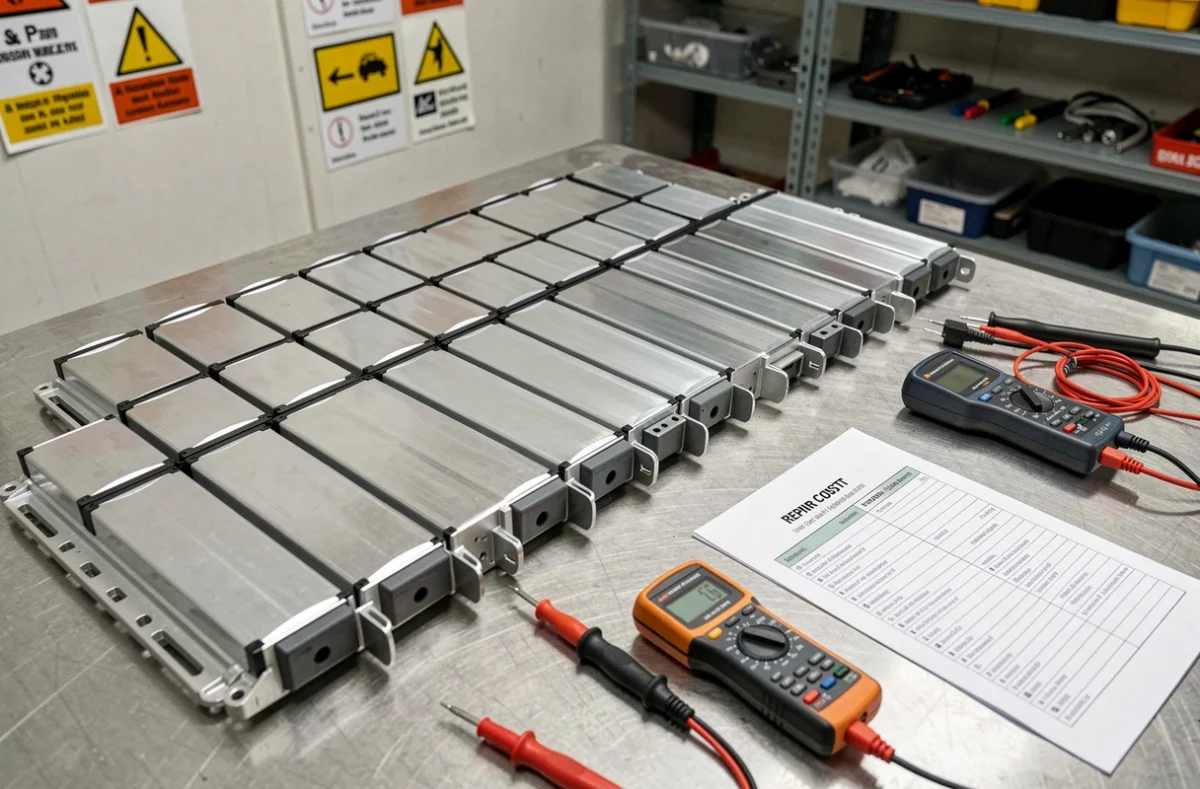
Salvage value and battery condition after a write-off
When an insurer declares a total loss, the written-off vehicle still has residual value. For petrol cars, salvage buyers assess the engine, gearbox and body panels. For EVs, the battery pack dominates that calculation.
If battery condition cannot be verified, because diagnostic access is restricted or the pack sustained unknown damage, the salvage value of a written-off EV drops sharply. That matters to you as the policyholder because it influences the settlement figure. A lower salvage value can mean a marginally better payout, but it also means more EVs heading to scrappage rather than being recycled back onto the road.
Thatcham Research has highlighted battery-condition information as a factor in both repairability and salvage outcomes. The clearer the data on a pack’s health after an incident, the more likely it is that the vehicle, or at least its most valuable component, finds a second life.
Practical steps before you renew your EV motor insurance
Read the policy wording for battery exclusions, not just the headline features. Confirm whether your charging equipment is covered away from home, not only at your property. Check that your insurer’s approved repairer network includes workshops with high-voltage accreditation near you, because a local qualified repairer can shorten your claim by weeks.
If you lease your battery, keep a copy of the leasing agreement alongside your insurance documents. And if your policy offers a battery-health or telematics add-on, consider whether the data it provides could help avoid a premature write-off in the event of a claim. The gap between a repaired EV and a written-off one often comes down to information, not damage.





