


A lender’s valuation determines how much a property is worth as security, and that figure directly controls the loan-to-value ratio attached to your mortgage offer. Where the valuation sits relative to the purchase price dictates the product tier you qualify for, the interest rate you pay, and sometimes whether the offer proceeds at all.
With automated valuation models now moving towards commercial deployment in UK lending, the gap between what a borrower believes a property is worth and what the lender’s model returns is widening in ways that deserve close attention.
Recommended read: How Mortgage Affordability Checks Assess Your Household Finances
Automated valuation models and the problem with recent renovations
LSL confirmed in May 2025 that it had successfully tested an automated valuation model with a major lender and was working towards commercialisation. AVMs pull from Land Registry transaction data, comparable sales and algorithmic adjustments. They do not send a surveyor through the front door.
That matters if you have spent money on a loft conversion, a new kitchen or structural improvements. An AVM cannot account for upgrades it has never seen. It prices the property based on external data points, most of which reflect the dwelling’s condition at the time of the last recorded sale. A borrower who extended a property and added genuine value may receive a figure that ignores it entirely.
See also: The Financial Risks of Buying a Property at Auction
A Financial Ombudsman decision illustrates the friction. A borrower challenged a desktop valuation that did not reflect improvements. The lender offered a paid-for physical valuation as an alternative, acknowledging the limitation of the remote method. The case confirms that the route to correcting an AVM-driven figure is narrow and often requires the borrower to fund an additional inspection.

For remortgage applications, the risk is more pronounced. There is no purchase price acting as a market-tested benchmark. The lender relies entirely on its chosen valuation method, and if that method is automated, the borrower’s improvements may simply not register.
How the valuation figure shapes your mortgage offer terms
The valuation does not just confirm a number. It sets the ceiling for the amount a lender will advance and determines which product bracket applies. A property valued at the purchase price on an application requesting a 75% LTV mortgage slots neatly into the lender’s risk model. A valuation that comes in lower forces one of three outcomes:
- The lender recalculates the LTV using the lower figure, potentially pushing you into a higher interest rate tier or breaching the maximum LTV for the product you applied for.
- You increase your deposit to restore the original LTV ratio, absorbing the shortfall from your own funds.
- You renegotiate the purchase price with the seller to align with the valuation, which may or may not succeed depending on market conditions.
A down-valuation does not automatically change the mortgage rate offered, but it changes the LTV, and the LTV determines the rate. The practical effect is the same. A borrower expecting a 75% LTV product at one rate may find themselves quoted a 80% or 85% LTV rate unless they bridge the gap.
When the valuation exceeds the purchase price
On a purchase, the lender uses the lower of the valuation or the purchase price. A higher valuation does not unlock a smaller deposit requirement. On a remortgage, a valuation above your estimate works in your favour, reducing the LTV and potentially qualifying you for a better rate.
RICS Red Book standards and what a written valuation must contain
The RICS Red Book edition published in December 2024 took effect for valuations dated on or after 31 January 2025. The updated standards require written valuations to be prepared by, or under the supervision of, a named and appropriately qualified valuer. This matters because it establishes a clear accountability chain.
A physical valuation carried out under these standards will include the valuer’s identity, the basis of value adopted, the date of inspection, material assumptions and any special assumptions. Desktop and AVM-generated figures do not carry this level of professional attestation. Borrowers receiving a desktop valuation are dealing with a product that sits outside the full scope of the Red Book framework as it applies to inspected properties.
We encounter borrowers who assume any figure labelled “valuation” carries the same professional weight. It does not. A RICS-compliant physical valuation and an algorithmically generated desktop figure are fundamentally different instruments, and the recourse available to you if you dispute the result differs accordingly.
Challenging a down-valuation: what lenders actually accept
Requesting a review is straightforward in principle but constrained in practice. A review request needs evidence of completed sales, not asking prices. Rightmove listings, Zoopla estimates and estate agent appraisals do not constitute the type of comparable evidence a lender’s valuation panel will reconsider.
What you need are recent completions of genuinely comparable properties, ideally within the same postcode sector and of similar type, size and condition. Land Registry data, which records actual transaction prices, carries weight. Agent marketing materials do not.
One Financial Ombudsman case revealed a lender’s internal policy: it would not reconsider a valuation figure unless the discrepancy exceeded a stated threshold. This means small shortfalls, the kind that might cost you a few thousand pounds in additional deposit, may not even qualify for a formal review under that lender’s process. Review routes are lender-specific and not guaranteed to change the outcome.
When a second valuation makes sense
If the first valuation used a desktop or AVM method, paying for a physical valuation is the most direct route to getting property-specific factors into the assessment. This is particularly relevant where:
- You have completed renovations or extensions since the last sale recorded on the Land Registry.
- The property has non-standard features (period construction, unusual layout, large plot) that comparable sales data handles poorly.
- The local market has moved significantly since the most recent transactions used by the model.
- The desktop valuation was based on a property type mismatch in the comparable data set.
A second physical valuation is not free, and the lender is not obliged to accept its conclusions over the first. Some lenders will instruct a new surveyor from their panel; others will only accept a review through their existing valuation provider.
Timing between valuation and mortgage offer
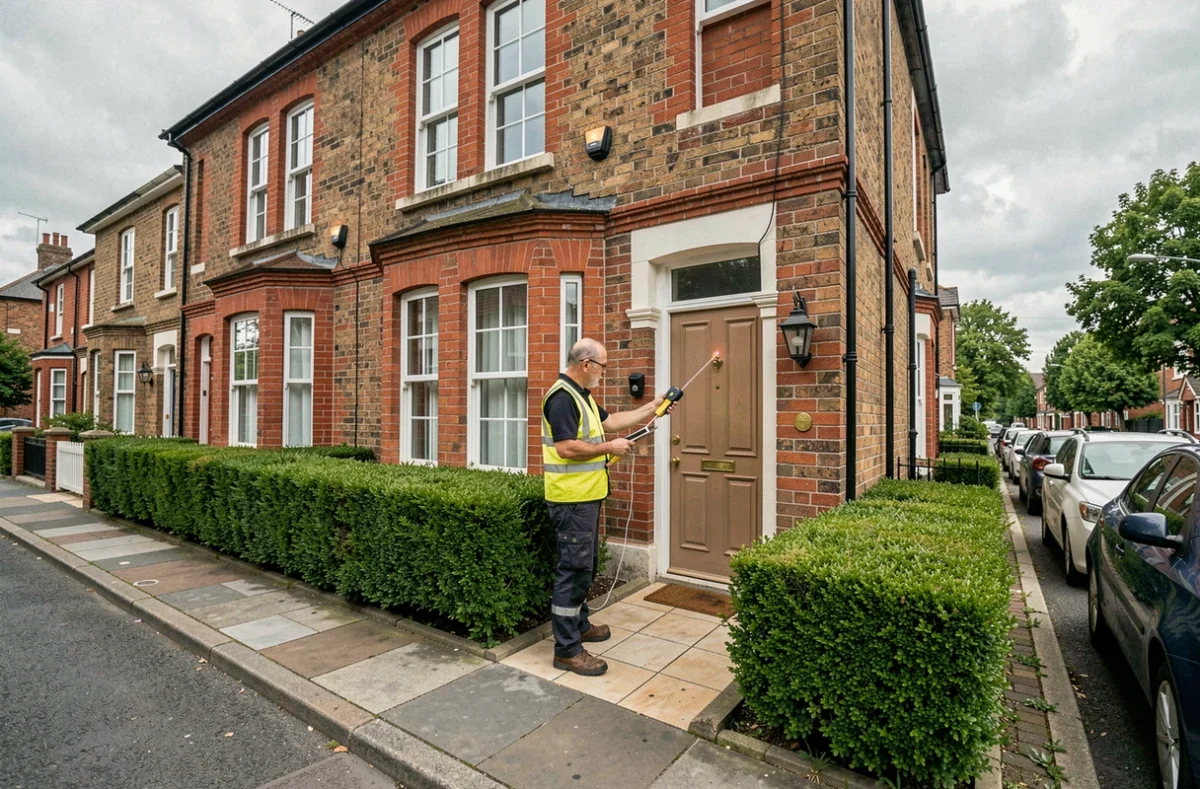
The valuation report feeds directly into the underwriter’s final assessment. Once the valuer confirms the figure, the underwriter checks it against the loan amount, the LTV, the applicant’s affordability profile and any conditions flagged in the report. A clean valuation with no conditions typically leads to an offer within days.
Delays arise when the valuer attaches retention conditions, such as requiring evidence that remedial work has been completed before the full advance is released. Dampness, structural movement, or issues with cladding and external wall systems can all trigger retentions. These do not necessarily kill the mortgage, but they add time and cost to the transaction.
The valuation report is the lender’s document, not the borrower’s. You will not normally receive a copy unless the lender chooses to share it. If the report flags a material issue, you may only learn about it through the lender’s conditions or through your solicitor’s enquiries. Commissioning your own RICS survey remains the only way to get a detailed, borrower-focused assessment of the property’s condition.





