


Most guides comparing debit and credit cards focus on a single question: spend your own money or borrow someone else’s? That framing is accurate but incomplete. In the UK, the protections attached to a card payment can shift depending on whether you tap a physical card, pay through a digital wallet, or route funds via an intermediary.
A Financial Ombudsman Service decision found that paying a credit-card provider into a digital wallet, then using that wallet and a bank account to pay a supplier, did not establish the debtor-creditor-supplier link required for Section 75 protection. The card type matters, but so does the path the payment takes.
Further reading: When to Use a Balance Transfer Credit Card
How the payment path changes your card protection
Section 75 of the Consumer Credit Act 1974 is often cited as the main advantage of credit cards for purchases between £100 and £30,000. The protection depends on a direct relationship between the cardholder (debtor), the credit-card provider (creditor) and the retailer (supplier).
When a digital wallet or payment platform sits between the card and the merchant, that chain can break. The Ombudsman decision referenced above turned on exactly this point: the wallet provider, not the original supplier, became the payee. The credit-card issuer was not jointly liable because the three-party relationship had been interrupted.
Further reading: Ways to Improve Your Credit Score Before Applying for a Loan
For debit cards, the picture is different again. Chargeback exists under card-scheme rules (Visa or Mastercard), but it is a voluntary process, not a statutory right. Chargeback is a card-scheme process, not a legal entitlement, and the outcome depends on the scheme’s own criteria and the merchant’s response.
- Credit card paid directly to the merchant: Section 75 applies if the purchase is between £100 and £30,000.
- Credit card routed through a digital wallet or intermediary: the debtor-creditor-supplier chain may not hold, and Section 75 may not apply.
- Debit card (direct or via wallet): no Section 75 protection; chargeback under scheme rules is the main route for disputes.
- Bank transfer (Faster Payments): falls outside card-scheme protections entirely, though APP scam reimbursement rules may apply separately.
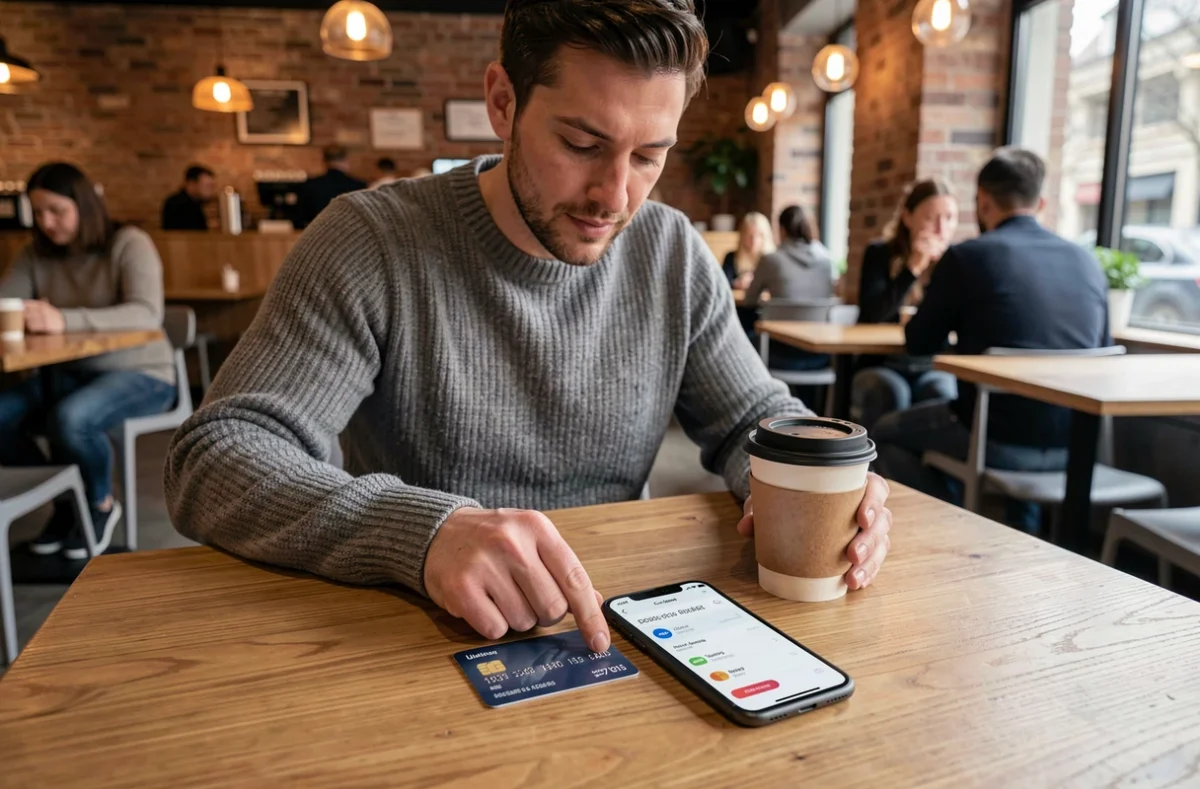
Contactless limits: physical card versus mobile wallet
The UK contactless limit for physical cards currently sits at £100 per transaction. UK Finance reports that major banks have generally kept this ceiling. But the limit applies to the plastic card, not necessarily to the payment method.
Mobile-wallet payments (Apple Pay, Google Pay) are not subject to the fixed card-contactless cap. The reason is authentication: the device verifies the user through biometrics or a passcode before authorising the transaction. A physical card relies on a PIN prompt or cumulative-spend check to re-authenticate, which is why a hard limit exists.
This distinction matters for the debit-versus-credit comparison because it means the device you use can override the card’s own spending rules. A debit card loaded into a phone wallet can process a £250 contactless payment that the same plastic card would decline. The same applies to credit cards in a wallet. The practical ceiling is set by authentication, not by the card type.
What the contactless difference means day to day
If you rely on physical contactless for speed at the till, both debit and credit cards share the same £100 cap. Switch to a mobile wallet and the cap lifts for both. The choice between debit and credit therefore has less to do with contactless convenience and more to do with whose money you are spending and what protections attach to that spend.
Unauthorised versus authorised payments: a distinction banks enforce
Under the Payment Services Regulations 2017, a card provider is liable for unauthorised payments. If someone steals your card and spends on it, the provider must generally refund you. This applies to both debit and credit cards.
The position reverses for payments the customer authorised. A recent Ombudsman decision on credit-card payments confirmed that the customer is generally liable for payments they approved, even if they later regret the purchase or the goods were not as described. The remedy for authorised payments is a dispute (chargeback or Section 75), not an automatic refund.
This matters because many cardholders assume any disputed transaction will be reversed quickly. In practice, the speed and likelihood of recovery depend on whether the payment was authorised, which card type was used, and which dispute route is available.
APP scam reimbursement does not cover card fraud
The Payment Systems Regulator’s reimbursement requirement for authorised push payment (APP) scams took effect on 7 October 2024. It covers qualifying scams involving Faster Payments, where the account holder initiates a transfer to a fraudster. Card payments are excluded.
The Ombudsman draws a clear line: debit-card payments are “pull” payments (the merchant takes funds), not push payments initiated by the account holder. If you pay a scammer using your debit card, the APP reimbursement scheme does not apply; you would need to pursue chargeback instead.
When borrowing on a credit card costs nothing, and when it does
A debit card draws from your current-account balance. There is no interest charge, no repayment date, no minimum payment. The trade-off is that you have no spending buffer beyond your balance (or arranged overdraft), and you lose the Section 75 safety net.
A credit card charges no interest if you clear the full statement balance by the due date. Miss that deadline and interest accrues on the outstanding amount, often at rates well above those of a personal loan. The gap between “interest-free if paid in full” and “expensive if carried forward” is where most of the financial risk of credit cards sits.
For regular spending you can repay each month, a credit card used at full clearance gives you short-term borrowing at zero cost plus statutory purchase protection. For spending you cannot repay quickly, a debit card avoids interest but removes the legal protections that come with credit.
Choosing by use case, not by card label
The debit-or-credit question is worth asking, but it is not the only question. The payment route, the authentication method, and the presence of intermediaries all shape the protections you receive.
A credit card paid directly to a retailer for a £150 appliance gives you Section 75 cover. The same credit card routed through a third-party wallet to pay a different supplier may not. A debit card tapped via a phone wallet can exceed the contactless cap that the physical card cannot. And a bank transfer to the wrong person triggers an entirely separate reimbursement framework that card schemes do not touch.
Treating “debit versus credit” as a binary choice obscures these layers. The card in your wallet is one variable; how and where you use it is another.





